loading...
Film di Milosav 'mija' Aleksić
Scopri la carriera cinematografica e i film di Milosav 'mija' Aleksić
Tutti i film, le interpretazioni e le collaborazioni di Milosav 'mija' Aleksić. In questa pagina trovi l'archivio completo dei titoli disponibili su Cinema Oggi che vedono la partecipazione di Milosav 'mija' Aleksić, corredati da trame, trailer ufficiali e dettagli sul cast tecnico.
Koncert za komšije
"Concert to all our neighbors" - music and comedy on new years eve 1972 from Belgrad, Yugoslavia.

Milorade, kam bek
A new year's special dedicated to the popular comedy "Ljubav na seoski nacin".

Voto medio degli utenti: 7.0/10
Biciklisti
A small town in the first year of the war. A story about young seamstress, a student, a traitor and two Czech artists, their joining the partisans. All of them die and girl stays alone. She's looking for a bicycle bell that is gone...

Voto medio degli utenti: 6.3/10
Farsa o Patlenu
Farsa o Patlenu is a Yugoslav TV movie from 1970, produced by RTV Belgrade. It is an adaptation of the famous 15th-century French medieval farce, 'La Farce de maître Pierre Pathelin'. The story follows a crafty, bankrupt lawyer who resorts to trickery to obtain fine cloth from a greedy draper. The film was directed by Jovan Konjović and the screenplay was written by Miroslav Karaulac.

Voto medio degli utenti: 10.0/10
Krvava bajka
Memory of the victims of the Kragujevac massacre is described through the events that are related to a group of boys, shoe shiners. At that time, thousands of workers refused to work for the invaders, and the whole city was exposed to harsh repression and persecution of innocent citizens and the abolition of the regular rations of food.

Voto medio degli utenti: 6.2/10
Биће скоро пропаст света
A bizarre and tragic love story involving a pig farmer, the village fool, a teacher and an agricultural pilot. The story unfolds in a remote village in the communist ruled Yugoslavia at the down of Soviet occupation of Czechoslovakia in 1968.

Voto medio degli utenti: 5.8/10
Prava adresa
A man helps a woman get married. There are more candidates, but in the end it turns out that he is the ‘right address’ for her.

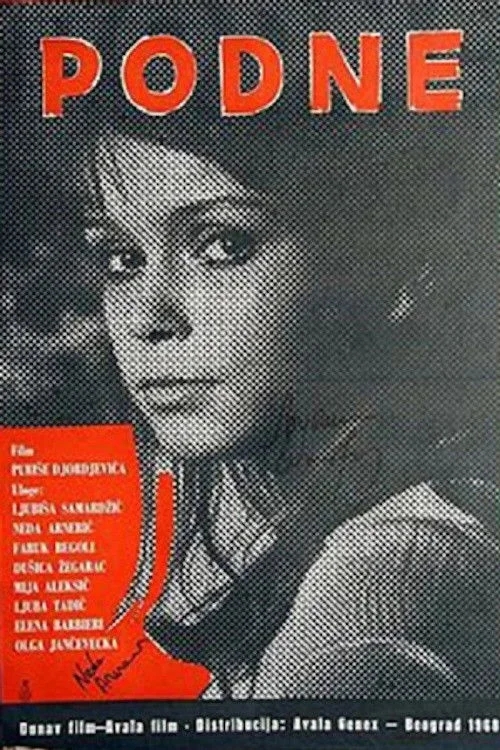
Podne
The lives of many people in one Serbian town are changed after Tito's breakup with Stalin.
Voto medio degli utenti: 5.5/10
Sirota Marija
A sickly village girl wants to marry a house painter, who only prefers to fool around.

Voto medio degli utenti: 6.3/10
Mali vojnici
After the end of WW2 a blonde boy arrives at an orphanage made for the children of Partizans or people being killed in the war. The headmaster knows that the boy's parents were Nazis but conceals that fact from others, fearing violence by vengeful children. He invents the boy's life story, but the other children get suspicious.

Voto medio degli utenti: 6.6/10
Bokseri idu u raj
Tragicomic story about a former boxing champion, unbeaten in the ring, but beaten by alcohol.

Voto medio degli utenti: 6.6/10
Jutro, l'alba di un giorno
E' un affresco di un particolare momento della storia jugoslava, e la storia del breve tempo che, per un paese della Serbia, intercorre tra la fine vittoriosa della guerra partigiana e l'inizio della pace. Il momento in cui gli uomini, finita la ferocia dei combattimenti, ricercano se stessi per poter ricostruire un "nuovo" ordine sociale ed umano. E' il momento della verità per tutti, che la guerra, anche combattuta per un ideale, non ha reso migliori ma di cui ha acuito speranze, sogni e desideri, insieme coi meno nobili senti-menti di odio, di vendetta o di arrivismo. E' una ricerca confusa, spesso incon-scia, a cui partecipano tutti i protagonisti della vicenda, qualunque sia la loro estrazione sociale.

Voto medio degli utenti: 7.1/10

San
In the whirlpool of WW2, two peaceful towns that have already tasted peace are once again attacked by the Germans. Casualties are high, but the dream of a boy and a girl about their liberated towns cannot be destroyed.

Voto medio degli utenti: 5.0/10
Doći i ostati
In search for the better life, three peasants Radovan, Jeremija and Gaša leave for a big city. Despite their expectations, there are many trials and temptations. Radovan manages to fit in by going to the evening school. The oldest of them, Jeremija, goes back to the village, while Gaša, after unreturned love, leaves to look for happiness somewhere else.
Voto medio degli utenti: 5.0/10
Devojka
A lyrical fourfold perspective on WWII through the eyes of a young partisan couple, a town photographer and a German officer.

Voto medio degli utenti: 6.2/10
Mrtvima ulaz zabranjen
The main protagonist is a modest teacher who is getting involved in the clash of two criminal gangs.

Čovek iz hrastove šume
An ex-servant becomes a lonely Shepard, killer hidden in the mountain woods during wartime. Under disguise of a black marketeer, a woman from the town maintains steady connection between the town and mountain, and organizes a resistance movement. Shepard falls in love with her, but suspects that she possibly wants gold instead.

Voto medio degli utenti: 6.2/10
Dr
In the moment when Belgrade industrialist Života Cvijović had dreams to marry off his son Milorad, Doctor of Philosophy, to a minister of transport's daughter, a telegram from Milorad's professor from Heidelberg arrives, saying that he wants to visit them. Bad luck is that Velimir, a poor student, was financed by Milorad, and studying under his name received a diploma.

Voto medio degli utenti: 5.0/10
Лето је криво за све
Whilst buying train tickets there was a mix up and Višnja has to travel to the seaside before her husband. After arrival many men start romanticizing her. In the same time, her husband is having troubles of his own trying to get to the seaside by any means necessary.

Voto medio degli utenti: 5.0/10
Servisna stanica: Sreća u torbi
The boss of service station, Raka, prevents thieves of stealing money after attempted robbery. But Raka doesn't know what to do with all the millions in his possession, but can't go told to police afraid that they may accuse him of complicity. He somehow manages to get rid of the money and marry Mara, the motel's maid who didn't want to hear about him while he was full of cash.

Voto medio degli utenti: 7.4/10
Pedagoška bajka
Grandma, disturbed by her grandchildren, decides to tell them about the adventures of Comrade Snow White.

Eci, pec, pec
A kleptomaniac banker, in conflict with his conscience, wonders whether or not he can steal the contents of a safe deposit box.

Nema malih bogova
In a small motel located next to the highway there's nothing but boredom and laziness, but only until the waiter Raka gets promotion becoming a DE chief (Duty executor) of it. He becomes obsessed with his position in no time, start pushing everybody around and acting like a "Small God", introducing reorganization. The staff prepares their revenge upon the visit of the general manager of all motels to this so-called renovated facility.

Voto medio degli utenti: 5.8/10
Први грађанин мале вароши
The citizens of a small town find it difficult to depart from its center, which is to be demolished to build a new, a more functional one. The chairman of the municipality, the first citizen of this small town, supports the plan of female architect-designer, a pretty girl he fell for. But to make locals sure that he didn't approve the old center's demolition under her influence, the president begins to avoid the girl, who then marries another man. By carrying out the ritual wedding, the first citizen of a small town is left with his city all alone.

Voto medio degli utenti: 6.3/10
Drug predsednik centarfor
Through several entangled stories, province atmosphere is shown, in which new ideas are hard to penetrate. Parallel with the seventh anniversary of peasant's cooperative farm, activity of a priest, who wants to restore the iconostasis, is followed. Local photographer intrigues - in small town in which the villagers want to become football champions.

Voto medio degli utenti: 5.0/10
Љубав и мода
In order to make money for the aerial review, a group of students organize the fashion program for the "Yugochic" company, doing some small frauds as well.

Voto medio degli utenti: 7.1/10
Боље је умети
Mane Karakas comes to a small coastal town to dig a hole for watering system. He tries to brighten up the town's sleepy atmosphere. The local journalist who misunderstood Karakas writes an article about new popular melody festival in town. When it was about time for the contract to be signed, Mane explains it is all a big misunderstanding, but singers and orchestras already arrived. Music is everywhere, but Mane goes elsewhere to look for the oil.

Voto medio degli utenti: 5.0/10
Jedini izlaz
A group of partisans goes to destroy a German gas warehouse at Postojnska Jama. One of them grows distrustful towards the new commander, and it spreads among the rest of the squad. The situation culminates when the mentioned partisan remains cut off inside a cave.

Voto medio degli utenti: 5.7/10
Gospođa ministarka
After becoming a minister's wife, Živka changes her former way of life and becomes a lady. However, her fashionable way of life is of short duration, since her husband is forced to resign after being involved in a scandal. Based on highly popular Serbian comedy novel by Branislav Nušić.

Voto medio degli utenti: 9.5/10
Opštinsko dete
While everybody show off by giving a child to community's custody, and make career in the process, the child remains alone and neglected.

Voto medio degli utenti: 5.0/10
Muva
Short feature film shot in 1950 and directed by Branko Ćelović. It is an adaptation of the theater play of the same name by Branislav Nušić. In the film, the famous Serbian actor Mija Aleksić appears in his debut role as the scribe.
