loading...
Film di Zdravko Velimirović
Scopri l'elenco completo di tutti i film di Zdravko Velimirović
Benvenuto sulla pagina dedicata alla filmografia di Zdravko Velimirović. Qui puoi trovare tutti i titoli diretti da questo autore, le trame dettagliate, il cast completo e i trailer ufficiali. Resta aggiornato sulle produzioni cinematografiche di Zdravko Velimirović disponibili nelle sale o prossimamente al cinema.

Voto medio degli utenti: 5.0/10
Dvoboj za južnu prugu
Autumn, 1941. Tito's partisans are ordered to attack a railway network system used by the Germans, their Bulgarian allies and local collaborators. A bloody battle ensues.

Voto medio degli utenti: 6.0/10
Vrhovi Zelengore
During the Battle of Sutjeska, partisan troops must endure 24 hours of big and heavy attacks on German units Ljubino grave, to the main Partisan units, with the wounded and the Supreme Headquarters, pulled out the ring that is tightened around them.

Voto medio degli utenti: 6.4/10
Crvena zemlja
In Autumn of 1941, the German army, determined to put down a Communist-led uprising in Serbia, is conducting a policy of killing 100 hostages for any German soldier killed. The city of Kraljevo is the site of one of those massacres, portrayed in this movie.

Voto medio degli utenti: 5.6/10
Derviš i smrt
Ahmet Nurudin is a dervish and head of the Islamic monastery of the Mevlevi order in Sarajevo. He is a personification of morale and dogmatic belief, everything that Muslim religion of the Ottoman rule rests on. Throughout his life, the atmosphere of the city, the relations with the judge and the mechanism of government, the image of Ottoman Empire at the beginning of the nineteenth century is being revealed. Based on a highly praised novel by Meša Selimović.

Voto medio degli utenti: 6.3/10
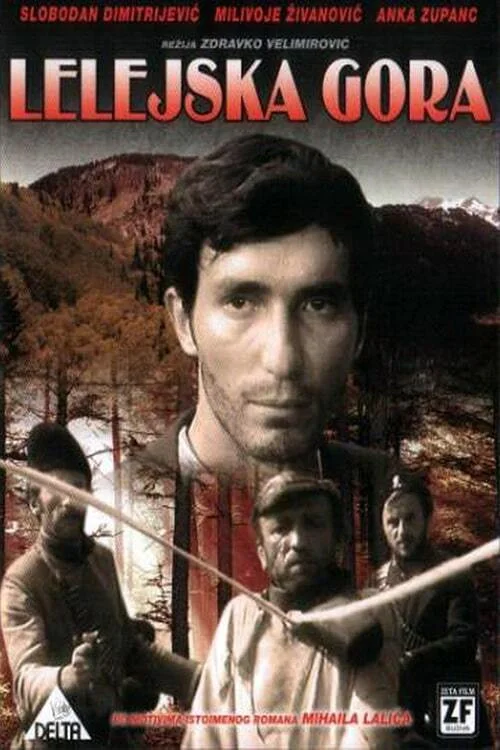
Лелејска гора
Lado Tajovic, a student, is charged by the communist party to go to his home in the Montenegrin Mountains, to illegally spread the liberation movement's propaganda. Alone, surrounded by enemies, always awake and ready to evade traps and ambushes, Lado fights on the verge of sleep, against people which are cowards ready to betrayal. He fights his own temptations, hallucinations that constantly besiege him. Although he perseveres in holding to party directives: no killing and no revenge, Lado at one moment of weakness falls to a primal human act vengeance.
Voto medio degli utenti: 6.0/10
Невољите на покојникот К.К.
The unexpected death of the insignificant and modest official Krste Krstevski, a tenant and unmarried man all his life, surprises his colleagues and acquaintances. Only then is he able to avenge their petty plots, and it can even be said that his real life begins after his death.

Voto medio degli utenti: 6.0/10
Твојот роденден
On a little girl's birthday, her parents' friends come. The received gifts are piled up in her room and most of them are the same. The guests forget the little celebrant and close in the lounge. The dance begins, and the elders play cards. The little one is left alone. Neighbors are disturbed by the noise and ask the caretaker to intervene. He goes to the apartment where he is celebrating. The girl opens the door for him. He invites the good old caretaker to his room to show him the toys. Wanting to beautify her birthday, the caretaker tries to cheer up the little one. With the help of her toys she enters the world of fairy tales. The dolls come to life and the girl happily participates in their game. Time passes, it is already late at night and the girl falls asleep. The caretaker leaves quietly, leaving her in the interior of her room full of toys.

Voto medio degli utenti: 5.0/10
Dan četrnaesti
The topic of this routine, romantic drama is a little unusual - it concerns what some prisoners do when they are allowed out of jail for two weeks before their sentences are up. Rather than receiving some special dispensation, it turns out that in Yugoslavia this was the custom. Most of the time, the men here are engaged in pursuits that forward their relationships with the fairer sex, as might be expected after a long and lonely incarceration. There is nothing particularly profound about their two weeks of liberty, and no deep message in the tale.

Voto medio degli utenti: 6.4/10